
Hany Rambod (Coach)'s Chest Hypertrophy Session
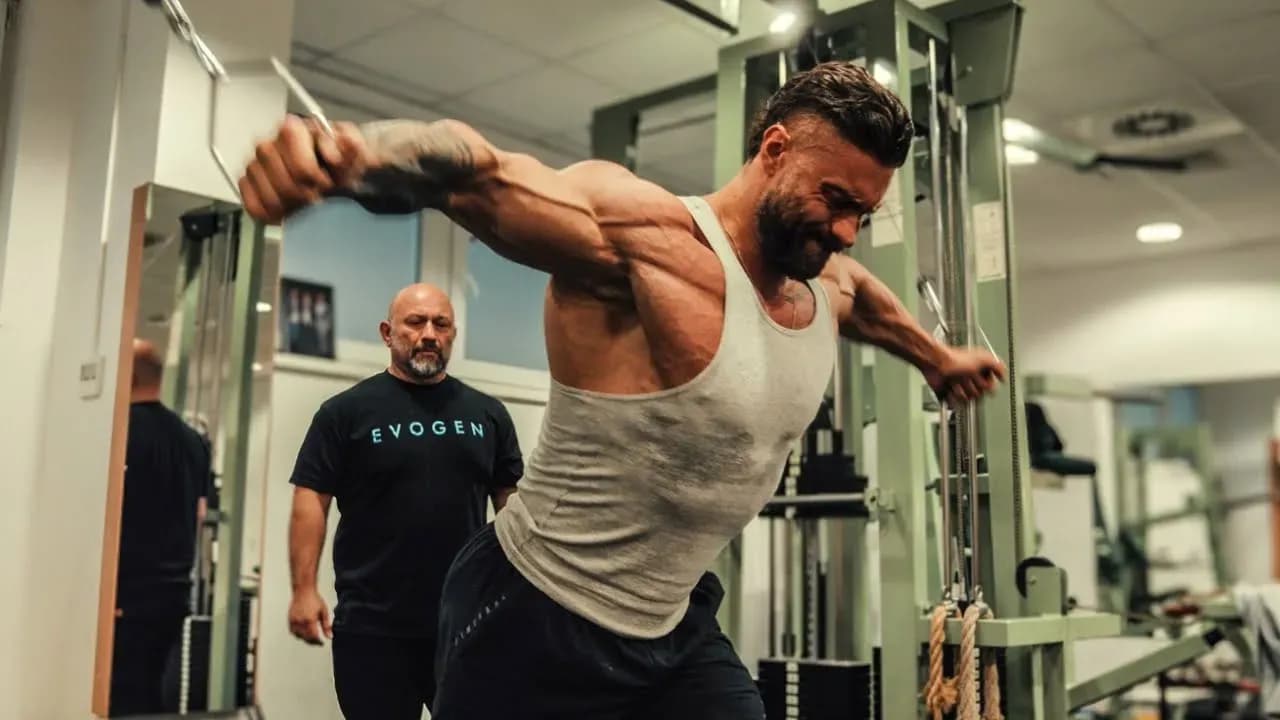
Who he is: Hany Rambod is an American bodybuilding coach of Egyptian heritage, now in his early 50s, who rose from competing and training in the gym to become one of the most respected coaches in modern bodybuilding. He began working in the sport as an athlete and trainer, and over the past two decades has built a reputation for meticulous contest preparation, detailed programming and a focus on muscle development that blends science with old-school intensity.
Competitive history and notable achievements: Rambod made his name not primarily as a long-running IFBB pro competitor but as a coach and innovator. He is best known for coaching elite athletes to top professional placings — most notably Phil Heath during his run as Mr. Olympia — and for working with numerous IFBB champions and top-level competitors across bodybuilding and physique divisions. He developed and popularized the FST-7 training method, which became widely adopted in competitive preparation and general hypertrophy programming.
Training philosophy and style: Rambod's approach emphasizes targeted muscle isolation, progressive overload, and high-intensity, high-volume finishing techniques designed to expand the fascia and maximize muscle fullness. FST-7 (Fascial Stretch Training – 7 sets) is emblematic of his style: structured working sets followed by seven focused sets with short rest to increase blood flow and stretch the fascia. He pairs these methods with personalized periodization, attention to nutrition and recovery, and detailed prep work such as posing, symmetry correction, and contest peaking strategies.
What makes him notable in the fitness community: Hany Rambod is celebrated for translating innovative concepts into repeatable, championship-level results. His combination of hands-on coaching, a repeatable system (FST-7), and a track record of preparing top athletes for the highest stages of the sport has influenced both competitive bodybuilders and gym-goers seeking serious hypertrophy. Beyond contest prep, Rambod has been active in seminars, media features and training education, helping spread his methods to a global audience and shaping modern approaches to muscle-building.
About the Program
Category: Hypertrophy
This chest-focused hypertrophy session is designed to develop mid-chest thickness and upper-chest shape using a mix of heavy compound pressing and focused isolation work. Volume and intensity are balanced to drive muscle growth while allowing recovery for subsequent training days.
Best suited for intermediate trainees who have mastered basic pressing mechanics and want a structured chest day that includes heavy sets, controlled tempo, and a finishing drop-set for metabolic stress. Expect progressive overload on pressing movements and high-quality, muscle-targeting isolation work.
Workout Schedule
Chest Day
- compound
- 4x6-8
Tips
How to perform: Lie flat on a bench with feet planted, grip the bar slightly wider than shoulder-width, unrack and lower the bar under control to the mid-chest. Drive the bar back up explosively while maintaining a stable shoulder position and a slight arch in the upper back.
Muscles worked: primary chest (pectoralis major), with triceps and front deltoids as synergists. Proper form cues: keep scapulae retracted, avoid flaring elbows excessively, and maintain a tight core to transfer force efficiently.
SUPERSETS
SUPERSETS
compound- 3x8-10
Tips
How to perform: Set an incline bench to ~30-45 degrees. Hold dumbbells at shoulder height with palms facing forward, press them upward until arms are nearly extended, then lower with control to touch the chest area at the upper pecs.
Muscles worked: targets upper pectoralis major and anterior deltoids. Common mistakes include overloading at too steep an angle (which shifts emphasis to shoulders) and using excessive momentum. Proper form emphasizes controlled eccentrics and full, stable presses.
isolation2.2. Cable Flyes
- 3x12-15
Tips
How to perform: Set an incline bench to ~30-45 degrees. Hold dumbbells at shoulder height with palms facing forward, press them upward until arms are nearly extended, then lower with control to touch the chest area at the upper pecs.
Muscles worked: targets upper pectoralis major and anterior deltoids. Common mistakes include overloading at too steep an angle (which shifts emphasis to shoulders) and using excessive momentum. Proper form emphasizes controlled eccentrics and full, stable presses.
3. Push-Ups (Chest-Focused)
- 3xAMRAP
Tips
How to perform: Hands placed slightly wider than shoulder-width, keep the body in a straight line from head to heels. Lower chest to just above the floor, pause briefly, then press back up focusing on driving through the chest rather than the arms.
Muscles worked: primarily the pectoralis major, with triceps and anterior deltoids assisting. Proper form avoids sagging hips and ensures full range of motion. Push-ups are an effective accessory to reinforce pressing mechanics and increase time under tension.
4. Cable Fly Drop Set (Finisher)
- 3 sets to failure (drop set)
Tips
How to perform: Perform cable flyes for high reps until near-failure, then immediately reduce resistance and continue until failure. Maintain a controlled arc and strong pec squeeze on each rep.
Muscles worked: direct pec isolation for metabolic stress and hypertrophy. Common mistakes include letting form collapse during the drop set—maintain proper form to maximize muscle damage and minimize joint stress. This finisher increases time under tension and pumps the chest for growth.