
Andrew Jacked's Shoulders & Back Hypertrophy Session
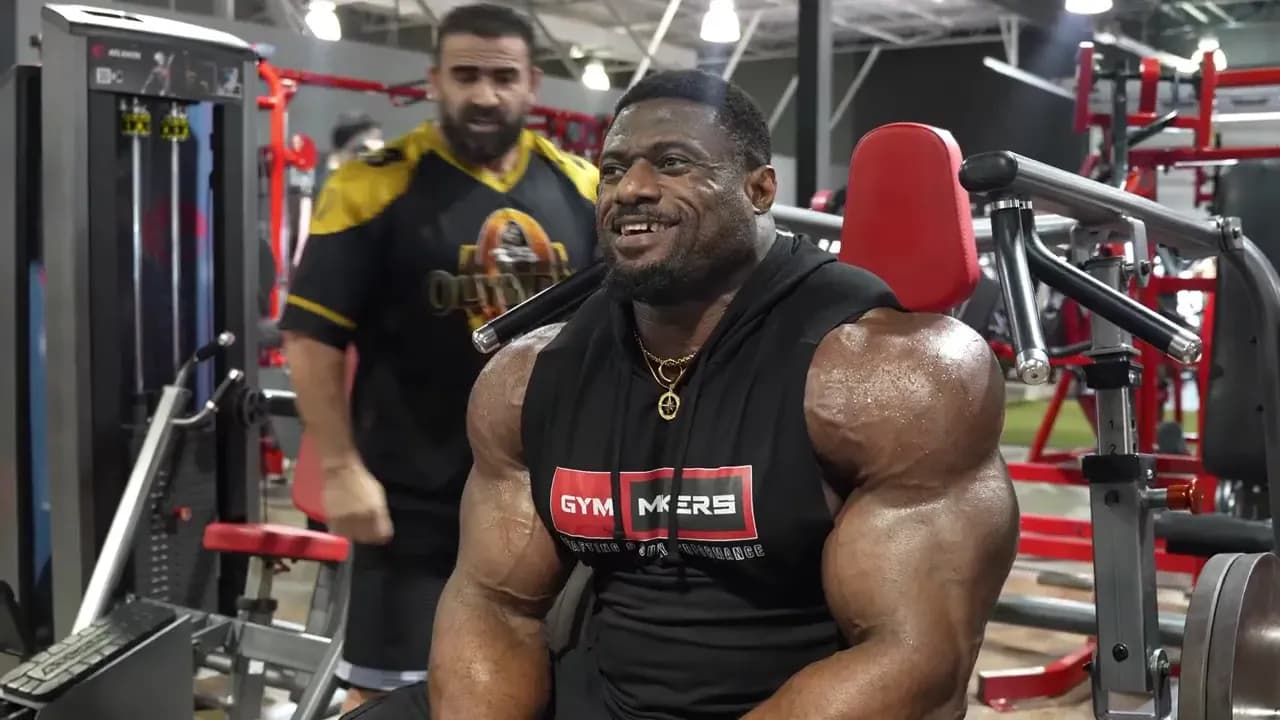
Who he is: Andrew Jacked is a British fitness creator and physique athlete in his late 20s who rose to prominence through social media. Originally a gym enthusiast who began training in his teens, Andrew developed a distinctive, aesthetic physique and turned that passion into a career as a content creator, model, and coach. His public persona is built around bold, high-energy training clips, transformation photos, and accessible programming aimed at younger lifters.
Competitive history and notable achievements: Rather than following a traditional competitive bodybuilding route, Andrew has become best known for his social-media-driven success: building a large, engaged audience, collaborating with other high-profile creators, and working with fitness and lifestyle brands on sponsored campaigns. His achievements are rooted in influence and visibility—he has been invited to expos, photo shoots, and events where his physique and brand recognition are the central draw.
Training philosophy and style: Andrew’s approach emphasizes progressive overload, heavy compound movements, and consistent hypertrophy work tailored to aesthetic balance—shoulders, chest, back, and leg development—combined with high-intensity, short-format content for easy consumption. He frequently shares structured split routines, exercise demonstrations, and nutrition guidance focused on calorie control, protein intake, and sensible dieting phases to peel bodyfat while maintaining muscle. His content often mixes practical how-tos with motivational messaging to help followers adopt long-term, sustainable habits.
What makes him notable in the fitness community: Andrew Jacked stands out for his combination of eye-catching results and modern content delivery: polished visuals, short-form training videos, and an approachable, aspirational tone. He’s notable for translating his personal transformation and daily training into digestible guidance that resonates with a large, mostly younger audience. Beyond workouts, his transparency about effort, consistency, and the realities of building a physique has positioned him as a go-to creator for those seeking inspiration and practical programming rather than formal competitive accolades.
About the Program
Category: Hypertrophy
This focused shoulder and upper-back hypertrophy session prioritizes shoulder health, time-efficient work capacity, and targeted muscle stimulation. The protocol begins with rotator cuff warm-ups to prime the joint, follows with heavy compound pressing using drop-set intensity, then moves into higher-rep isolation movements and finishing light, squeeze-focused back work to encourage blood flow and posterior chain balance.
Ideal for intermediate trainees seeking to build shoulder mass while maintaining joint integrity, this session balances strength and hypertrophy methods: short rest intervals, controlled eccentrics, strategic drop sets, and supersets to increase metabolic stress. Expect a fast-paced workout lasting roughly 40–55 minutes that emphasizes strict technique and muscular control.
Workout Schedule
Shoulders & Upper Back
1. Rotator Cuff Band External Rotation
- 2x12-15 each side
Tips
How to perform: Anchor a light resistance band at elbow height. Stand sideways to the anchor, keep the elbow tucked to the ribs at a 90° angle, and externally rotate the shoulder by moving the hand away from the body. Perform controlled reps with a full but pain-free range. Maintain a neutral spine and scapular position throughout.
Muscles worked and benefits: targets the rotator cuff (external rotators) and scapular stabilizers. Proper form reduces injury risk and improves overhead pressing stability. Common mistakes include using too heavy a band, flaring the elbow away from the ribcage, or rushing the movement.
SUPERSETS
SUPERSETS
compound- 4x8-10 (first 2 sets as drop sets; last 2 paired as supersets)
Tips
How to perform: Sit upright on a bench with dumbbells at shoulder height, palms facing forward or neutral. Press the dumbbells overhead in a controlled path until arms are near full extension without locking out, then lower slowly to shoulder level. Brace the core and avoid excessive lumbar extension.
Muscles worked and benefits: primary deltoids (especially front delts), secondary triceps and upper chest; promotes overhead strength and mass. Proper form includes keeping the scapula stable, neutral spine, and controlled tempo. Common mistakes are flaring ribs, arching the lower back, and letting the weights drift forward.
isolation- isolation
- 4x12-15
Tips
How to perform: Stand with a slight bend in the elbow and a neutral spine. Raise the dumbbells out to the sides with a controlled arc until arms are roughly parallel to the floor. Lead with the elbow slightly higher than the wrist and pause briefly at the top for maximum tension.
Muscles worked and benefits: primarily targets lateral deltoid (middle head) for shoulder width and shape. Proper form avoids swinging, using momentum, or lifting with the traps. Benefits include improved shoulder aesthetics and stability when performed with strict technique.
4. Bent-Over Rear Delt Fly
- 3x12-15
Tips
How to perform: Hinge at the hips with a flat back and a slight bend in the knees. Hold dumbbells or use a cable, then spread the arms wide in a reverse fly motion until the elbows are in line with the shoulders. Use a controlled tempo and focus on squeezing the rear delts at the top.
Muscles worked and benefits: primarily posterior deltoids and upper-back stabilizers. Proper form emphasizes scapular retraction and avoiding heavy weight that engages traps or momentum. This exercise improves shoulder balance and posture when combined with pressing work.
5. Seated Cable Row (Light, Squeeze-Focused)
- 2-3x12-15
Tips
How to perform: Sit facing the cable station with feet braced, grab a close or medium grip, and pull the handle toward the lower chest while keeping the torso stable. Emphasize a slow eccentric and a full scapular squeeze on each rep. Use a lighter load to maintain strict form and a visible contraction.
Muscles worked and benefits: targets the upper-back (lats, rhomboids, mid-traps) and posterior shoulder stabilizers. Proper form includes avoiding torso lean and initiating movement with the scapula. Common mistakes are using momentum, excessive neck strain, or shrugging instead of pulling with the back.
6. Face Pull (High-Rep Squeeze)
- 2-3x15-20
Tips
How to perform: Set a rope at upper-chest height on a cable. Pull the rope to the face, leading with the elbows and externally rotating at the end so the hands split apart. Hold a brief squeeze at peak contraction then return under control. Keep the neck neutral and scapula engaged throughout.
Muscles worked and benefits: primarily posterior deltoids and external rotators, plus upper traps and scapular stabilizers. This movement corrects shoulder imbalances, improves posture, and increases blood flow. Avoid using too heavy a load or letting the torso drive the movement.