
Sam Sulek's Shoulder Pump: Side & Rear Delt Session
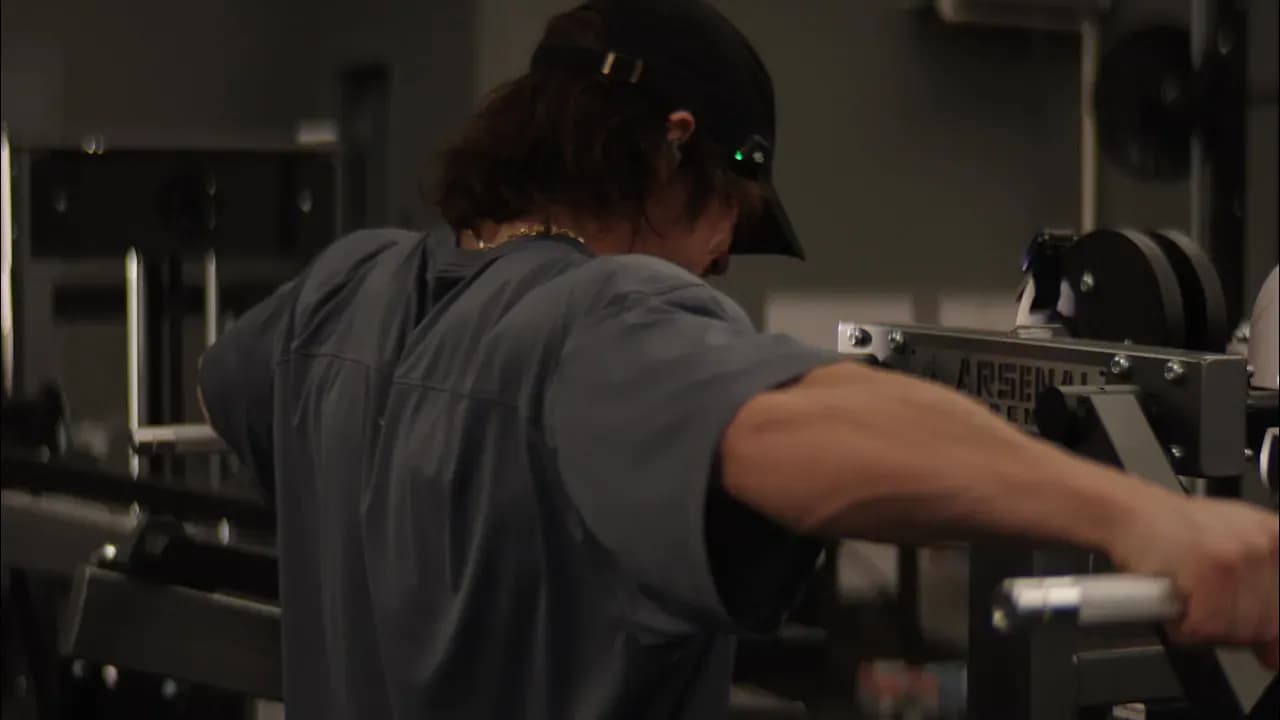
Meet Sam Sulek, the 21-year-old dynamo from Delaware, Ohio, who's shaking up the fitness scene. Former gymnast and diver, Sam transitioned his passion into an online sensation with captivating TikTok and YouTube content. Known for his hypertrophy-focused approach, Sam's workouts are a blend of power and precision, featuring a mix of compound lifts like the Incline Barbell Press and targeted isolation exercises such as Cable Flies and Pec Deck. His journey to muscle mastery has not been without its share of debates, as discussions about his methods and alleged substance use have sparked widespread attention. Yet, through it all, Sam's dedication remains unwavering, offering a dynamic glimpse into the world of fitness, determination, and the ongoing quest for peak performance.
About the Program
Category: Hypertrophy
This focused shoulder session emphasizes side (lateral) and rear (posterior) deltoid development using low-to-moderate loads and high-intensity pump work. The workout is short, efficient and designed to prioritize muscle activation and isolation movements to create a pronounced pump without heavy compound pressing. Expect a light warm-up, targeted isolation sets for rear and lateral delts, a finishing machine set, and steady-state cardio to follow.
Best suited for intermediate trainees who want an accessory-focused shoulder session to refine shape and separation rather than heavy strength work. You should have basic shoulder stability and prior experience with dumbbell and cable movements. No heavy presses are required — the plan prioritizes strict form, time-under-tension, and a controlled tempo so you can maximize delt engagement while minimizing trap takeover.
Workout Schedule
Shoulder Pump — Side & Rear Delt Focus
- isolation
- 4x8-12 (alternating sets)
Tips
How to perform: Stand facing a cable machine with the handle attached to a high pulley. Grip the handle with one hand and take a step forward, turning your torso slightly so you can pull the cable across your body with a bent elbow. Focus on initiating the movement from the posterior deltoid and perform controlled horizontal abduction. Keep the shoulder joint stable and avoid rotating the torso.
Muscles worked, common mistakes, and benefits: Muscles worked include the rear deltoid (primary) with secondary activation of the posterior upper back and traps. Common mistakes include using momentum, rotating the torso, or letting the traps do the work; proper form is achieved by maintaining a fixed shoulder and isolating the arm movement. This exercise is ideal for improving rear delt shape and shoulder balance.
- isolation
- 4x10-15
Tips
How to perform: Hinge at the hips with a flat back and a slight bend in the knees, holding a dumbbell in each hand. With palms facing each other or slightly rotated, raise the weights out to your sides in a controlled arc until your arms are roughly parallel to the floor. Lead with the elbows and keep movement strict — avoid recruiting the traps by keeping the shoulder blades relatively neutral and the neck relaxed.
Muscles worked, common mistakes, and benefits: Primary muscles worked are the rear deltoids with secondary engagement of the upper back. Common mistakes include swinging the weights, lifting too heavy which shifts load to the traps, and rounding the spine. Proper form maximizes posterior delt activation and helps develop rear shoulder thickness and separation.
- isolation
- 3-4x12-15
Tips
How to perform: Sit upright on a bench with a dumbbell in each hand at your sides. Keeping a slight bend in the elbow, raise the dumbbells out to the sides until the arms reach shoulder level. Pause briefly at the top for a peak contraction, then lower under control. Maintain an upright torso and avoid shrugging the shoulders up toward the ears.
Muscles worked, common mistakes, and benefits: Muscles worked include the lateral deltoid (primary) and anterior deltoid as a minor secondary contributor. Common mistakes are using momentum, leaning back, or excessively shrugging—proper form ensures isolation of the middle deltoid and helps widen the shoulder line for better proportion and peak when posing.
- isolation
- 2-4x10-12
Tips
How to perform: Adjust the machine so the pads line up with the outside of your arms while seated. Press your arms out laterally against the pad using controlled motion until you reach full lateral contraction, then slowly return to the start. Use a weight that allows you to feel the side delts without leaning or using momentum.
Muscles worked, common mistakes, and benefits: Muscles worked are the lateral deltoids primarily with minor trap involvement. Common mistakes include using excessive torso momentum or too-heavy loads that shift focus away from the delts. This machine is an excellent finisher for achieving a dense pump and consistent tension throughout the set.
- cardio
- 45:00
Tips
How to perform: Use a recumbent (seated) bike at moderate-to-high resistance and maintain a steady cadence for the session duration. Focus on consistent breathing, relaxed upper body posture, and covering the display to avoid clock-watching. Aim for a sustained effort that feels challenging but sustainable for 45 minutes.
Muscles worked, common mistakes, and benefits: This is primarily a cardiovascular endurance activity; lower-body musculature (quads, hamstrings, glutes) is engaged. Common mistakes include constantly checking the clock which can make the session feel longer, and using improper seat setup that causes knee or back discomfort. Steady-state cardio aids conditioning and supports pre-competition conditioning or fat-loss phases.
- 45:00
Tips
How to perform: Use a walkmill or treadmill set to a brisk walking pace or slight incline for 45 minutes. Keep an upright posture, relaxed shoulders, and maintain an effort level that allows sustained work. Avoid constantly checking the time — cover the display or use entertainment to keep the session feeling shorter.
Muscles worked, common mistakes, and benefits: Primarily cardiovascular with involvement of lower-body muscles (calves, quads, glutes) and core stabilization. Common mistakes are poor posture, gripping handles, and frequently looking at the timer. Benefits include improved aerobic base, increased calorie expenditure, and better conditioning leading into a competition or body composition phase.